
The nation of Japan Takes Steps Closer to Recommencing Operations at the World's Largest Nuclear Power Plant

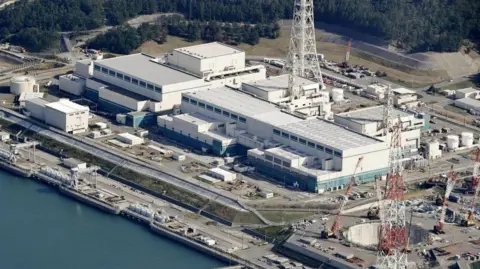
The country is nearing approving the restart of the globe's most sizable nuclear power plant—the first time it would be in use since the catastrophic 2011 Fukushima event.
The governor of Niigata, head of the Niigata prefecture where the Kashiwazaki-Kariwa nuclear facility is located, announced he has authorized for the partial restart.
The plan to resume operations at the facility, run by the Tepco utility firm, still needs approval from the regional legislative body and the nation's atomic regulatory agency before it can advance.
If approved, it would be the inaugural occasion Tokyo Electric Power would be allowed to recommence nuclear reactor operations in Japan since its Fukushima facility experienced a meltdown following a tsunami.
Local Inhabitants Divided on Resumption
People living in Niigata are divided over whether the facility should resume operations or not.
The governor told a news conference on Friday that his determination would be discussed in the final month of the year at a prefectural government assembly, where he would pursue the assembly's approval.
The consent would be for the restart of activities at the facility's No 6 reactor, subsequently the seventh reactor.
Background and Corporate Reconstruction Plan
The restart of activities at the plant is part of the utility's business reconstruction plan in the aftermath of the Fukushima nuclear disaster, which was resulted from a 9.0-magnitude earthquake and massive tsunami.
When the station's units were flooded by the tsunami, it resulted in radiation to leak out and compelled a large population to be relocated from the region.
The Japanese government ordered all its nuclear station cores to be closed in that year following the disaster. Afterward, fourteen units have resumed operations.
Tepco was mandated to pay huge amounts in compensation to those affected and is also funding the station's closure expenditures.
Local Opinion and Concerns
A study released by Niigata prefecture recently suggested that half of its inhabitants backed the station's reactivation, while 47% were in disagreement. It also suggested that almost seven in ten of individuals in the region were concerned about the company operating the station.
Energy Targets and Ahead
Friday's decision shows a interest among various Japanese to progress to expanded reliance of nuclear power to cut reliance on traditional energy sources, as the country seeks a target of carbon neutrality.